Kdo se je poročil s Pedro II of Brazil?
Teresa Cristina di Borbone-Due Sicilie poročen Pedro II of Brazil . Pedro II. Brazilski je bila na poročni dan stara 17 let (17 leti, 9 mesecev in 2 dni). Teresa Cristina di Borbone-Due Sicilie je bila na poročni dan stara 21 let (21 leti, 5 mesecev in 21 dni). Starostna razlika je bila 3 leti, 8 mesecev in 18 dni.
Poroka se je končala leta ?.
Pedro II of Brazil: Časovnica zakonskega stanja
1 Pixel = 1 Month

Pedro II of Brazil
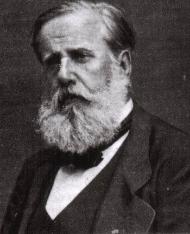
Dom Pedro II (Pedro de Alcântara João Carlos Leopoldo Salvador Bibiano Francisco Xavier de Paula Leocádio Miguel Gabriel Rafael Gonzaga; 2 December 1825 – 5 December 1891), known as "the Magnanimous" (Portuguese: O Magnânimo), was the second and final emperor of the Empire of Brazil. He reigned from 1831 until his deposition in the military coup of 1889, presiding over the longest and most stable reign in Brazilian history.
Born in Rio de Janeiro, Pedro II was the seventh child of Emperor Pedro I and Empress Maria Leopoldina. His father's abdication and departure for Europe in 1831 left the five-year-old prince as emperor, ushering in a regency period marked by political instability and shaping a childhood dominated by rigorous education and preparation for rule. These formative years profoundly influenced his character, instilling a strong sense of duty, intellectual curiosity, and devotion to public service, alongside a growing personal ambivalence toward monarchy.
During his long reign, Pedro II transformed Brazil from a fragile post-colonial state into a consolidated and internationally respected power. His government was characterized by political stability, freedom of speech, respect for civil rights, economic growth, and the functioning of a constitutional parliamentary system. Brazil achieved military success in conflicts such as the Platine War, the Uruguayan War, and the Paraguayan War, while also resolving numerous internal revolts and diplomatic disputes. Despite resistance from powerful interests, Pedro II ultimately supported and enabled the abolition of slavery in Brazil, a defining achievement of his reign.
A patron of education, culture, and science, Pedro II gained international recognition as a learned and enlightened ruler. Nevertheless, in 1889 he was overthrown in a coup d'état with limited popular backing, led primarily by military elites favoring a republican regime. Disillusioned and unwilling to provoke civil conflict, he accepted exile without resistance. Pedro II spent his final years in Europe, living modestly and largely alone.
Deposed at the height of his popularity, Pedro II's legacy endured. In the decades following his death, his reputation was rehabilitated, his remains were repatriated to Brazil with national honors, and historians have since consistently ranked him among the most respected statesmen in Brazilian history, with many considering him the greatest Brazilian ruler.
Preberite več...
Teresa Cristina di Borbone-Due Sicilie

Dona Teresa Cristina (14 March 1822 – 28 December 1889), popularly known as “the Mother of the Brazilians”, was Empress of Brazil as the wife of Emperor Dom Pedro II, a position she held from her marriage in 1843 until the abolition of the monarchy in 1889. Born a princess of the Kingdom of the Two Sicilies, in present-day southern Italy, she was the daughter of King Francis I of the Italian branch of the House of Bourbon and his wife, Maria Isabella of Spain. Long portrayed by historians as timid and politically passive, modern scholarship has reassessed Teresa Cristina as a more complex figure, recognizing her intellectual curiosity, cultural patronage, and a quiet but consistent assertion of personal independence within the constraints of 19th-century court life.
The Princess was married by proxy to Pedro II in 1843. Her spouse's expectations had been raised when a portrait was presented that depicted Teresa Cristina as an idealized beauty, but he was displeased by his bride's appearance upon their first meeting later that year. Despite a cold beginning on the part of Pedro, the couple's relationship improved as time passed, due primarily to Teresa Cristina's patience, kindness and generosity. These traits also helped her win the hearts of the Brazilian people, and her distance from political controversies shielded her from criticism. She also sponsored archaeological studies in Italy and Italian immigration to Brazil.
The marriage between Teresa Cristina and Pedro II never became passionately romantic, although a bond based upon family, mutual respect and fondness did develop. The Empress was a dutiful spouse and unfailingly supported the Emperor's positions and never interposed with her own views in public. She remained silent on the topic of his suspected extra-marital relationships—including a liaison with her daughters' governess. In turn, she was treated with unfailing respect and her position at court and home was always secure. Of the imperial couple's four children, two boys died in infancy and a daughter died of typhoid fever at the age of 24.
The imperial family was sent into exile after a coup d'état in 1889. Being cast from her beloved adopted land had a devastating effect on Teresa Cristina's spirit and health. Grieving and ill, she died of respiratory failure leading to cardiac arrest a month after the monarchy's collapse. She was greatly loved by her subjects, both during her lifetime and afterwards. She was even respected by the republicans who overthrew the Empire. Despite having had no direct impact on Brazil's political history, Teresa Cristina is well regarded by historians not only for her character and irreproachable behavior, but also for her sponsorship of Brazilian culture.
Preberite več...